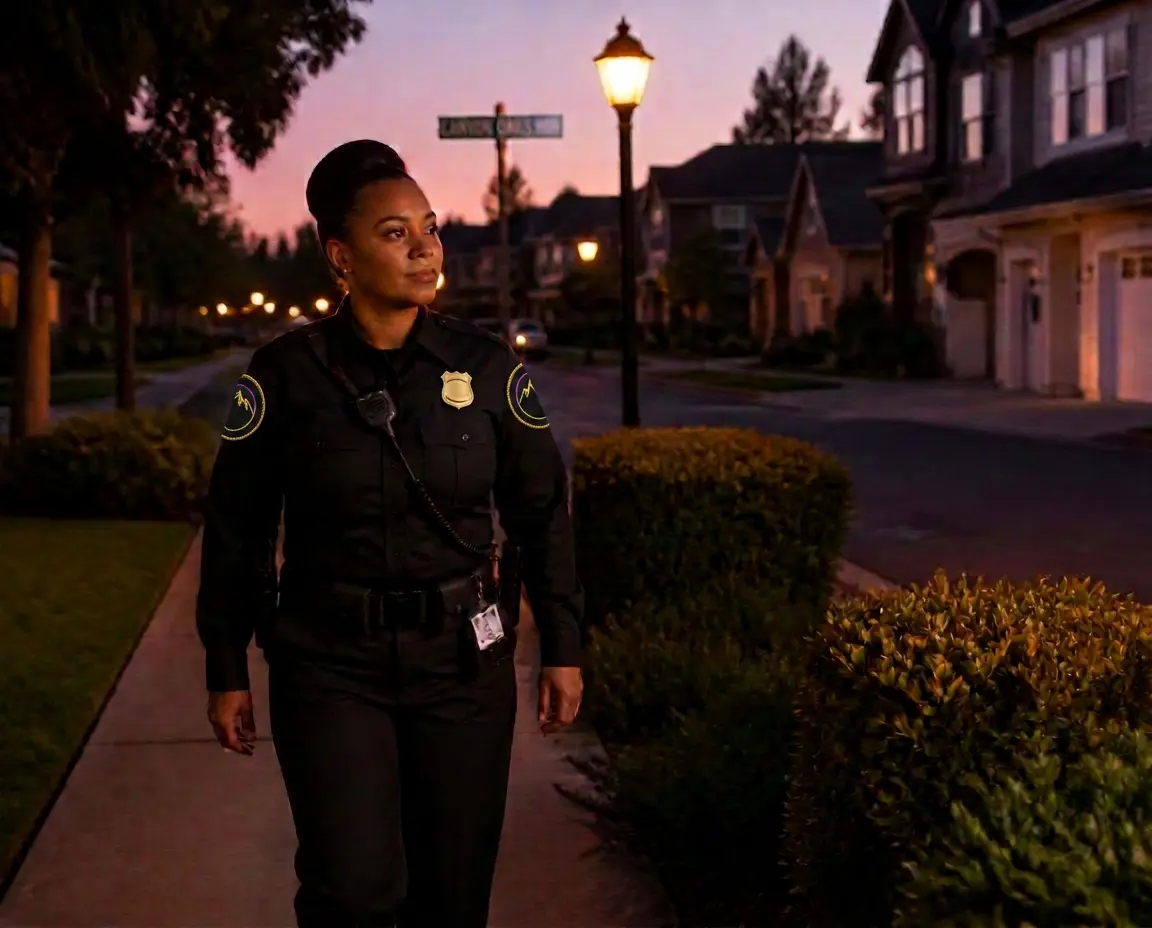
Hire a Security Guard Company Near Me: An Apartment Manager's Guide to Choosing Local and Assigning the Right Duties
PPO #1227308/20/20265020 wordshire security guard company near me
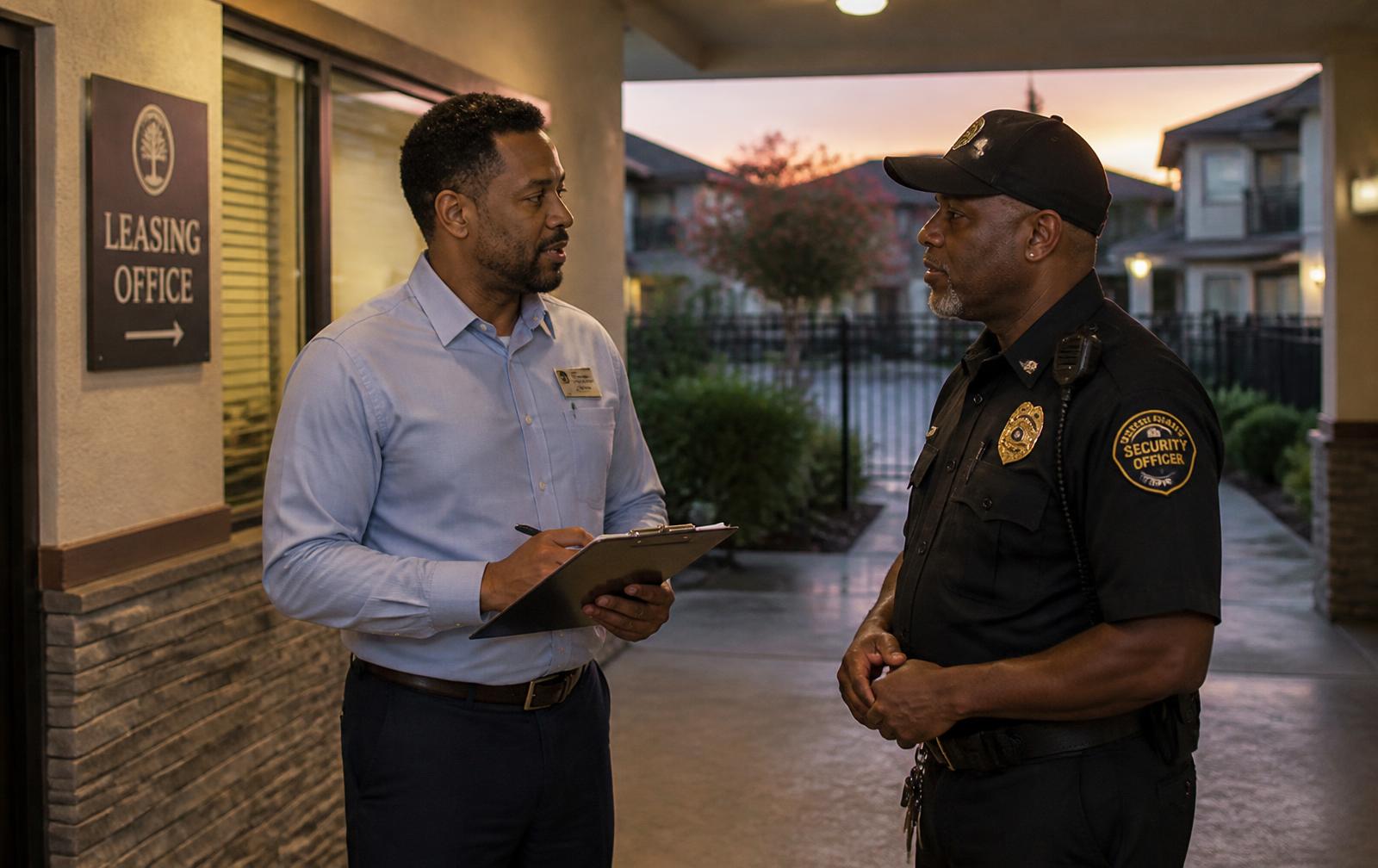
I have managed multifamily property in the Sacramento region for a long time. Two hundred and twelve units on one side of the freeway, a 96-unit garden community on the other, and a lease-up in between that ate a full year of my life. In that time I have hired four different security companies, fired three of them, and learned the difference between a contract that looks good on paper and a patrol that actually changes what happens in my breezeways at 2:14 a.m.
This is the guide I wish someone had handed me the first time my regional asked, "Can you get me three bids on security by Friday?" It is written for the person who actually has to live with the decision: the community manager, the assistant manager who answers the after-hours phone, the regional who signs the invoice, and the board member or owner who wants to know why the line item went up.
The search that starts all of this is almost always the same three words typed into a phone at the end of a bad week: hire security guard company near me. What follows is what "near me" really has to mean, how to tell a local operator from a national call center, and — the part almost nobody gets right — how to assign duties so the officer you are paying for produces something you can use.
Why "Near Me" Is Not a Vanity Requirement
When I first started shopping for guards, I assumed proximity was a soft preference. Nice to have. It is not. Distance is the single variable that quietly determines whether the service you bought is the service you receive.
Here is the arithmetic that changed my mind. On a standard vehicle patrol contract, you are buying a number of documented passes per night, not a number of hours. If the dispatch yard is 9 miles from my gate, the officer can absorb a call-back, a lockout escort, and a noise complaint and still hit the pass count. If the yard is 34 miles away — and one of my former vendors dispatched from a yard that far out — the first exception of the night eats the rest of the schedule. The passes do not happen. The log still says they did, because the log is generated from a route plan rather than a GPS ping.
Fifty-two minutes is not security. Fifty-two minutes is a report written about something that already ended. My residents do not experience a response time; they experience whether anyone showed up while it was still happening.
There is a second, less obvious reason local matters, and it took me two years to articulate it. A local operator has a relationship with the same police department, the same code enforcement office, and the same neighboring property managers that I do. When my officer calls in a suspect description, the fact that the dispatcher recognizes the company name is worth more than any clause in my contract. When the encampment behind my back fence migrates from the property next door, my officer already knows, because his company covers that property too.
What proximity actually buys you
Pass integrity
Short deadhead distance means the contracted number of patrol passes survives contact with a real night. Long distance means the first exception cancels the rest.
Supervisor visits
A local field supervisor drops in unannounced. A remote one calls the officer and asks how it is going. Only one of those catches an officer sleeping in the car.
Post knowledge
Officers who live 15 minutes away work your property for years. Officers who commute 50 minutes rotate out every few months and every rotation resets your post orders.
Shared intelligence
A company covering the corridor sees the pattern before you do — the same catalytic converter crew hitting three complexes in one week.
The Manager's Honest Cost Reality
Let me get the money out of the way, because every conversation I have with an owner starts and ends there.
I have paid as little as $23 an hour for a warm body and as much as $41 an hour for an armed officer at a property in crisis. The number itself is meaningless without the structure behind it. What I actually learned to compare is cost per documented outcome.
| Coverage model | Typical regional range | What it realistically prevents | Best fit |
|---|---|---|---|
| Vehicle patrol, 3 to 5 passes nightly | $450 to $950 per month | Opportunistic vandalism, dumping, after-hours pool use, casual trespass | Stable communities, 80 to 250 units, budget-constrained |
| Vehicle patrol, 6 to 10 passes with lock checks | $900 to $1,900 per month | Vehicle break-ins, garage loitering, laundry room theft | Properties with covered parking or repeated auto burglary |
| Dedicated unarmed officer, 8-hour night post | $4,600 to $6,800 per month | Almost all resident-facing disorder, lease-violation escalation, unauthorized occupancy | Lease-up, post-incident, or communities with a documented pattern |
| Two-officer team, 10 to 12 hours | $9,000 to $15,000 per month | Coordinated activity, large-complex coverage, simultaneous incident handling | 300+ units, mixed-use, or properties under insurance pressure |
| Standing post plus roving patrol hybrid | $6,000 to $9,000 per month | Gate control failures plus interior blind spots | Gated communities where the gate is the known weak point |
The mistake I made early was buying hours instead of buying coverage of my actual failure points. I paid for an eight-hour post that started at 10 p.m., and every one of my problems was happening between 6 p.m. and 10 p.m. when residents came home and the parking lot filled. I moved the same eight hours to a 6 p.m. to 2 a.m. window, paid exactly the same, and my incident count dropped by more than half in the first month. Nobody at the company suggested that. I figured it out by reading my own logs.
Run your own numbers before you take a bid. The security guard cost calculator will give you a defensible range to bring to your regional, and the apartment courtesy patrol page breaks down what each coverage tier includes in multifamily specifically.
The Six Things I Now Ask Every Company Before the Bid
I have a standing list. It has never failed to separate the operators from the brokers.
1. What is your PPO number, and can I see the license status right now?
In California, any company providing contract guard services must hold a Private Patrol Operator license issued by the Bureau of Security and Investigative Services. A legitimate company gives you the number without hesitating. Summit Force operates under PPO #122730, and you can verify any PPO in about thirty seconds on the BSIS license lookup — which you should do, for every bidder, before you read a single page of their proposal. I have caught two companies in five years pitching me on an expired or suspended license.
Ask the same question about the individual officers: every guard must hold a valid guard card, and if anyone will be armed, a separate firearms permit and current qualification. Ask how they track expirations. "Our scheduling system blocks an officer from being assigned if a credential lapses" is the answer you want. "The officers keep track of their own" is the answer that ends the meeting.
2. Where does the officer assigned to my property dispatch from?
Not the corporate headquarters address on the letterhead. The actual yard, the actual vehicle, the actual drive. I ask for the cross streets. A company that dispatches from within your corridor will tell you immediately. A company that does not will describe its "regional coverage footprint," which is how a national outfit says Stockton.
3. Who is my field supervisor and how often do they visit unannounced?
The single largest quality variable in guard services is supervision. An unsupervised officer on a night post drifts within three weeks — not out of malice, but because nothing on a quiet night reinforces the standard. I now write a minimum supervisor visit frequency into the contract: at least two unannounced visits per week during the first month, one per week thereafter, with the visit logged and visible to me.
4. What does my reporting look like, and can I see a real redacted example?
Every company says "detailed reporting." Ask to see one. What you want is a daily activity report with GPS-stamped or QR-checkpoint-stamped pass times, photographs attached to any exception, and plain-language narrative that a leasing agent could read out loud to a resident. What you do not want is a PDF that says "Patrolled property. All secure." repeated four times.
I use the reports for things that have nothing to do with security. Maintenance uses the photos of broken lighting. My regional uses the pass logs to answer owner questions. My attorney used eleven months of them, once, and that story is later in this article.
5. What is your officer turnover rate on multifamily posts?
Ask for the number. If they do not track it, that is the answer. Turnover is the reason your post orders decay. Every new officer on your property is a person who does not know that the gate on the north side sticks, that unit 214 has a custody exchange every other Friday, that the man who walks the perimeter at 5 a.m. is a resident and not a prowler.
A local company with officers who live nearby holds people longer, because a 15-minute commute to a stable night shift is a genuinely good job. A company staffing you from an hour away is renting you someone's temporary situation.
6. What happens at 2 a.m. when I call?
I mean literally. Walk me through it. Who picks up? Is it an answering service in another state that takes a message, or a dispatcher with the ability to redirect a unit? I test this before I sign now. I call the after-hours line at an inconvenient hour and see who answers and how fast a human with authority is on the line.
National Chains vs. Local Operators: What I Actually Experienced
I want to be fair here, because "go local" is easy advice to give and it is not universally right. Very large national firms genuinely do some things well. If you are a portfolio manager who needs uniform coverage across four states with one invoice, one certificate of insurance, and one point of escalation, a national provider solves a real problem.
But for a single Sacramento-area community, here is what I lived through.
| Dimension | National provider | Local operator |
|---|---|---|
| Who answers at 2 a.m. | Out-of-state call center, message relayed | Local dispatcher or the owner's cell |
| Officer assigned | Whoever the regional scheduler has open | Named officers, consistent rotation |
| Post order changes | Ticket, review cycle, effective next billing period | Text the supervisor, live that night |
| Field supervision | Regional supervisor covering many counties | Supervisor covering a corridor |
| Contract | 12-month, auto-renew, 60-day notice | Frequently 30-day out |
| Rate | Slightly lower on paper | Comparable, but pass integrity is higher |
| Local relationships | Generic | Knows the beat officers and neighboring properties |
The last national vendor I used sent me eleven different officers in nine weeks. Not one of them knew where the trash compactor keypad was. The first thing I asked the local operator that replaced them was: "Can I have the same two officers?" The answer was yes, and my incident reports became useful within a month, because the same two people were noticing that the same silver sedan kept appearing at the same hour.
If you want to compare operators the way I now do, we published a service comparison checklist you can print and score bidders against, and a plain breakdown of coverage models on the multi-housing security page.
Mapping Your Property Before You Write a Single Post Order
This is the part that separates managers who get value from security and managers who just get invoices. Before you assign duties, you have to know what your property actually does at night. It is not what you think it is.
I did this exercise with a printed site map, a highlighter, and twelve months of my own work orders, resident complaints, and police calls. Two hours. It reshaped everything.
Step one: plot your incidents in space
Put a dot on the map for every incident in the last year. Car break-in, dot. Package theft, dot. Noise complaint that escalated, dot. Graffiti, dot. Unauthorized person in the pool area, dot. Dumping at the compactor, dot.
Mine clustered in three places: the rear of the covered parking, the laundry building nobody could see from any occupied unit, and the pedestrian gate that residents propped open with a rock because the fob reader was slow.
Step two: plot them in time
Then do the same thing on a 24-hour clock. Mine had two distinct peaks — 6 p.m. to 9 p.m. (arrival chaos, packages, parking disputes) and 1 a.m. to 4 a.m. (vehicle entry, garage loitering). The dead zone was 10 p.m. to midnight, which is exactly when my original contract had the officer standing at the front gate looking professional and accomplishing nothing.
Step three: separate security problems from design problems
This one hurt. Roughly a third of what I was calling security problems were lighting problems, sightline problems, and hardware problems. A guard cannot fix a rock in a gate. But a good officer will document it, nightly, until it gets fixed — and that documentation is what finally got the capital request approved.
The three-column audit every manager should run
Where
Plot twelve months of incidents on a site map. Clusters, not averages, tell you where the post belongs.
When
Plot the same incidents on a 24-hour clock. Buy the hours where the incidents are, not the hours that feel like security.
Why
Sort each incident into behavior, lighting, sightline, or hardware. Assign the behavior column to your officer and the rest to a work order.
Assigning the Right Duties: Post Orders That Actually Work
Post orders are the contract between what you are paying for and what happens. Most post orders I have inherited were two paragraphs of legal boilerplate followed by "patrol the property." That is an invitation for an officer to define the job themselves.
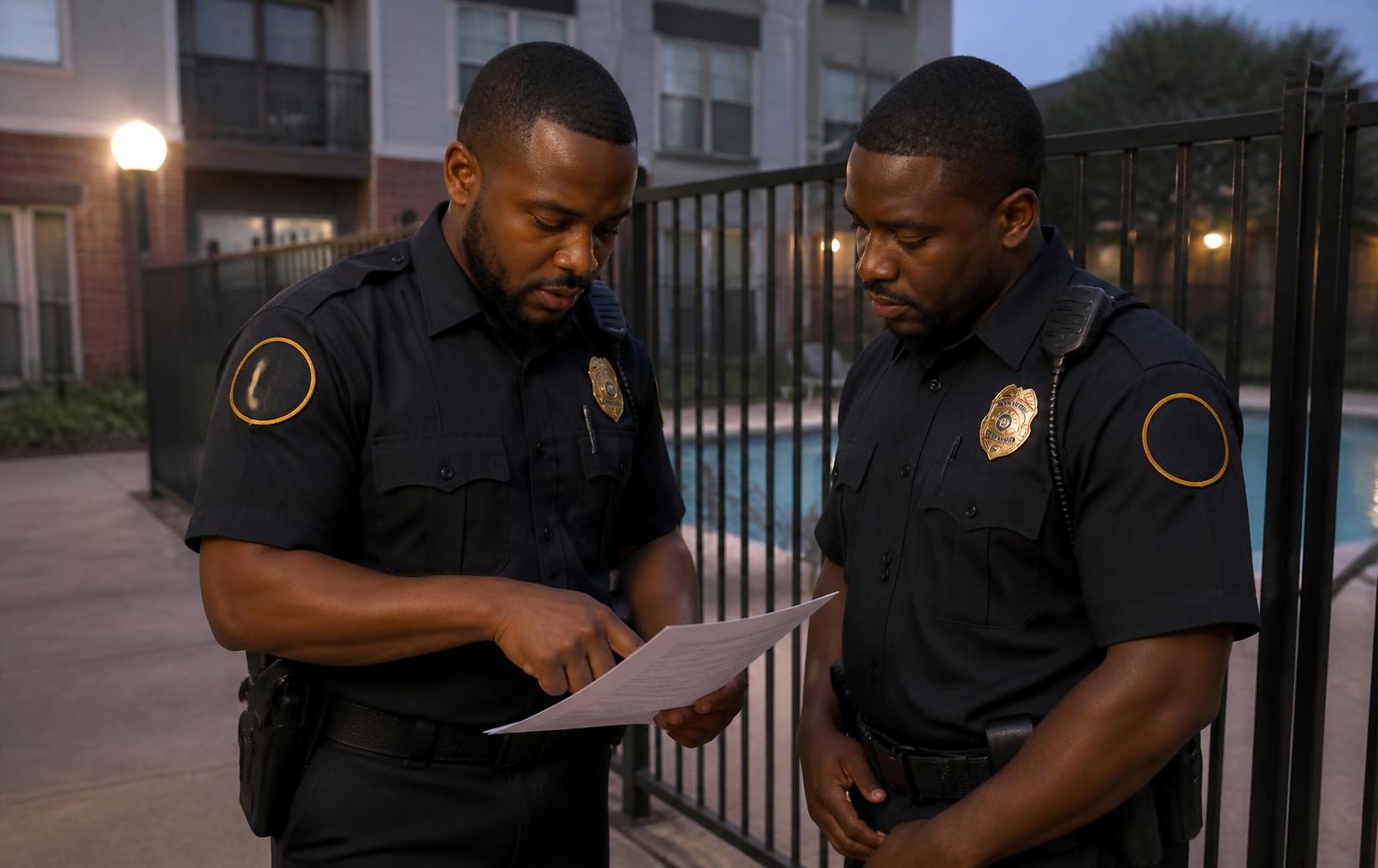
Here is the structure I use now. Every duty has a what, a when, a proof, and an escalation.
The arrival window: 6 p.m. to 9 p.m.
- Visible presence at the main entry and mail area. Not standing still — walking a loop that puts the uniform in front of residents as they come home. Proof: two checkpoint scans in the mail room per hour.
- Parking enforcement, warning-first. Every unauthorized vehicle gets a photographed windshield notice before it gets towed. Proof: photo attached to the report with plate and space number. Escalation: tow only after the documented warning period in the lease.
- Package area monitoring. A pass through the parcel room at the top and bottom of each hour during peak delivery. Proof: timestamped scan. This one duty killed my package theft complaints.
- Amenity closing. Pool, gym, and clubhouse cleared and secured at posted hours, with the count of people asked to leave recorded. Proof: closing log with time and headcount.
The quiet hours: 9 p.m. to 1 a.m.
- Randomized exterior loops. Randomized, not scheduled. If your officer walks the same route at the same time, anyone watching for four nights knows the gap. Proof: checkpoint scans in a varying order.
- Noise complaint response. The officer knocks, documents, and reports. The officer does not mediate lease disputes and does not enter a unit. Escalation: written report to the office by 8 a.m. for lease action.
- Lock and light check. Every common-area door, every laundry room, every gate, every burned-out fixture — photographed. Proof: nightly deficiency list emailed to maintenance.
- Resident escort on request. Post the number. Residents walking from the far lot at 11 p.m. should be able to get a walk-along.
The deep night: 1 a.m. to 5 a.m.
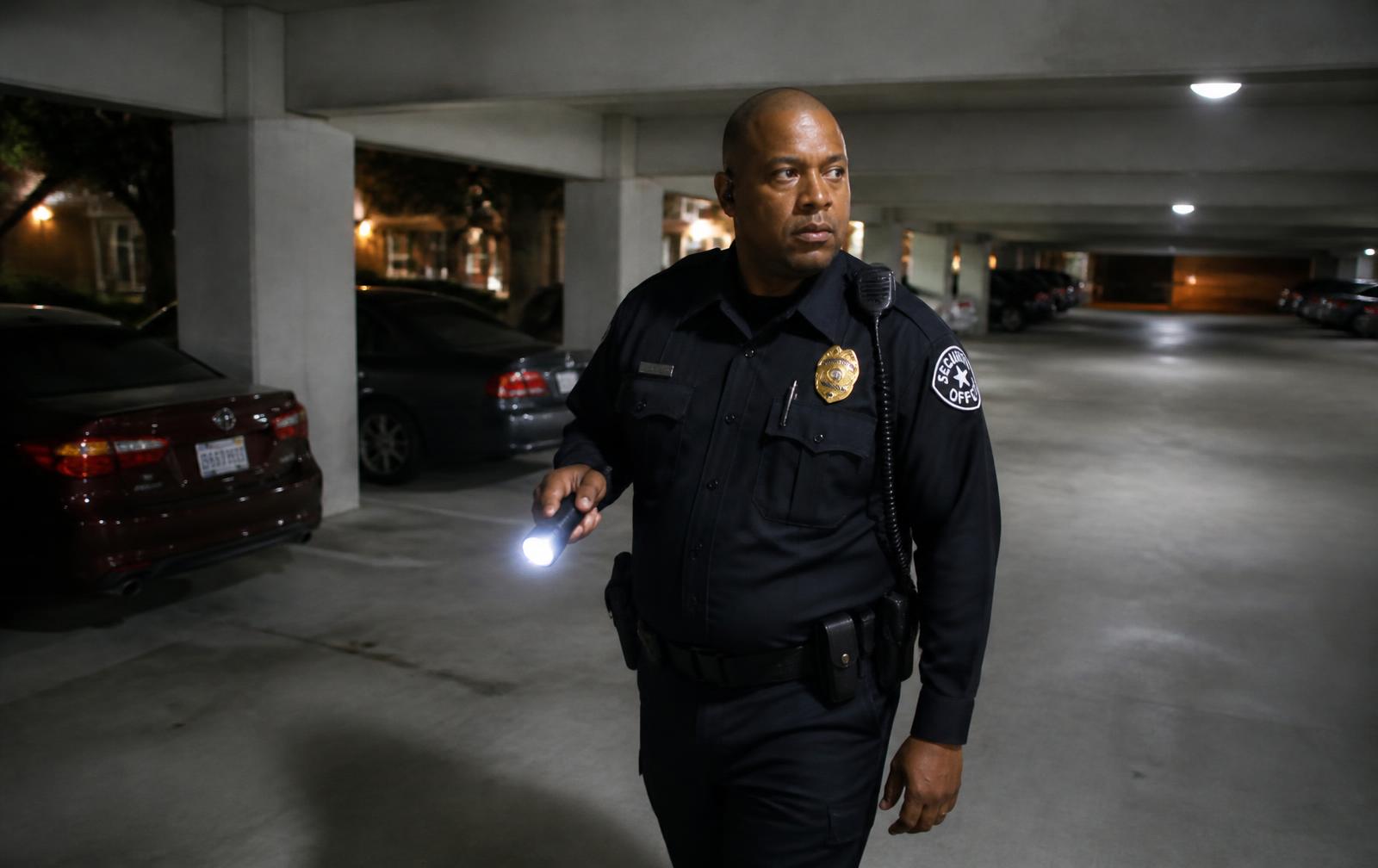
- Garage and covered parking sweeps at irregular intervals. This is where the money is. Vehicle burglary in our region is overwhelmingly a deep-night, low-effort crime, and a flashlight sweep at unpredictable intervals is disproportionately effective against it.
- Perimeter and fence line. Especially anywhere backing onto a greenbelt, creek, canal, or vacant parcel.
- Trespass and encampment documentation. Observe, document, notify — and follow the posted-notice and law-enforcement process rather than improvising. Officers document; police and the courts remove. Getting this sequence wrong creates liability for the property, not for the trespasser.
- Vehicle log for after-hours entries. Plate, time, gate used. Boring until the morning you need it.
The handoff: 5 a.m. to 7 a.m.
- Written daily activity report delivered before the office opens. Not at noon. Before the leasing agent takes the first phone call about last night.
- Exception summary in three lines at the top. I do not have time to read six pages at 8:15 a.m. Give me the three things I need to act on.
The duties I explicitly forbid
This list matters as much as the duty list. My post orders state that officers do not:
- Enter a resident's unit for any reason short of a life-safety emergency, and then only with police or fire.
- Serve legal notices or participate in lockouts, which is a legal process and not a security function.
- Handle maintenance emergencies beyond shutting off water and calling the on-call tech.
- Detain anyone except under the narrow circumstances California law allows, and never for lease violations.
- Discuss any resident's information with any other resident.
Every one of those lines exists because I watched an officer somewhere cross it and create a problem the property owned.
The Documentation That Saved Me $180,000
I promised this story earlier.
Two years ago a resident's guest was assaulted in our rear parking area. The claim that followed alleged the property had notice of a dangerous condition and did nothing. In California premises liability, that concept — foreseeability plus failure to take reasonable measures — is the entire fight. If the plaintiff establishes that similar incidents put us on notice and we did nothing, the property loses.
What our attorney submitted was eleven months of nightly patrol reports. GPS-stamped passes through that exact lot. Photographs of the lighting deficiencies we had reported and the work orders showing they were repaired within eleven days. Records of three prior trespass documentations and the police reports that followed. A written post order specifically assigning that lot to a deep-night sweep, dated before the incident.
We did not win because nothing bad happened. Something bad happened. We prevailed because we could prove that a reasonable, documented, consistent security program existed and was followed — which is the standard, not perfection.
That is the argument I now make to every owner who tells me security is a cost center. The patrol is the cheap part. The record the patrol produces is the asset. If you would like the longer legal treatment, we wrote a full pillar on it: safeguard your property from lawsuits.
What your documentation must be able to prove
Consistency
Passes happened on the nights and at the intervals the contract specifies, with independent timestamps — not a route plan printed as a log.
Awareness
Deficiencies were observed and reported in writing, with photographs and dates.
Action
Reported deficiencies generated work orders, and work orders were closed within a reasonable window.
Escalation
Repeat activity triggered a documented change — added passes, added hours, police notification, or posted notice.
Reading a Proposal Like a Manager, Not a Buyer
By the time three bids land on your desk they will look interchangeable. Here is where I look.
The rate line. Is it a straight hourly, or are there separate rates for holidays, short-notice fills, and supervisor coverage? Ask what the bill rate is for a shift the company has to fill at 4 p.m. the same day. That number tells you what your emergencies cost.
Minimum hours. A four-hour minimum on call-outs is standard and reasonable. An eight-hour minimum on a two-hour need is a revenue mechanism.
Escalation and annual increase. Anything above the low single digits, annually, should be justified in writing. Ask whether increases are tied to California minimum wage changes, which is honest, or simply annual, which is not.
Term and out clause. I will not sign a twelve-month auto-renewing agreement with a sixty-day notice window on a first engagement. Thirty days, either party, after an initial ninety-day period. A company confident in its service will agree.
Insurance. General liability at $1M/$2M minimum, auto liability if they are driving on your property, workers' compensation, and — this is the one people forget — the property named as additional insured with a certificate delivered before the first shift, not after.
Indemnification. Read it. Some agreements quietly shift liability for the officer's conduct back to the property. That is backwards.
Who is named. If the proposal does not name a supervisor and a primary point of contact with a direct number, ask for it in writing before signing.
The First Ninety Days: How to Onboard a Guard Company
Signing is not implementing. My onboarding sequence now looks like this.
- 1.Site walk with the supervisor, at night. Daytime walks are useless. You need to see what the officer will see — where the light dies, where the sightlines break, which gate sticks.
- 2.Post orders written jointly and signed by both parties. Not their template. Not my template. A document built from my incident map and their operational reality.
- 3.Checkpoint placement. Physical scan points at the locations that matter. This is what converts "I patrolled" into evidence.
- 4.Resident notification. A letter and a sign at the gate. The deterrent value of visible, announced patrol is real, and residents who know the service exists actually use the escort and the report line.
- 5.Week-one debrief. Fifteen minutes with the supervisor after seven nights. What did they find that I did not know?
- 6.Thirty-day report review. Sit down with the full month of reports and adjust hours, routes, and duties against what actually happened.
- 7.Ninety-day scorecard. Incident count, response times, report timeliness, supervisor visit compliance, resident feedback. This is the meeting where you renew or walk.
I hold the ninety-day meeting with every vendor and I tell them it exists during the bid. The good companies like it. It is the only meeting where both sides find out whether the thing is working.
Neighborhood Notes: What Changes Block to Block
"Near me" means something different depending on where your community sits. Here is how I would brief a new manager taking over each of these submarkets.
Central and midtown Sacramento. Older stock, street-facing entries, limited on-site parking, high pedestrian traffic. Your problems are entry control and the street interface, not perimeter. Foot patrol beats vehicle patrol here. See private patrol Sacramento.
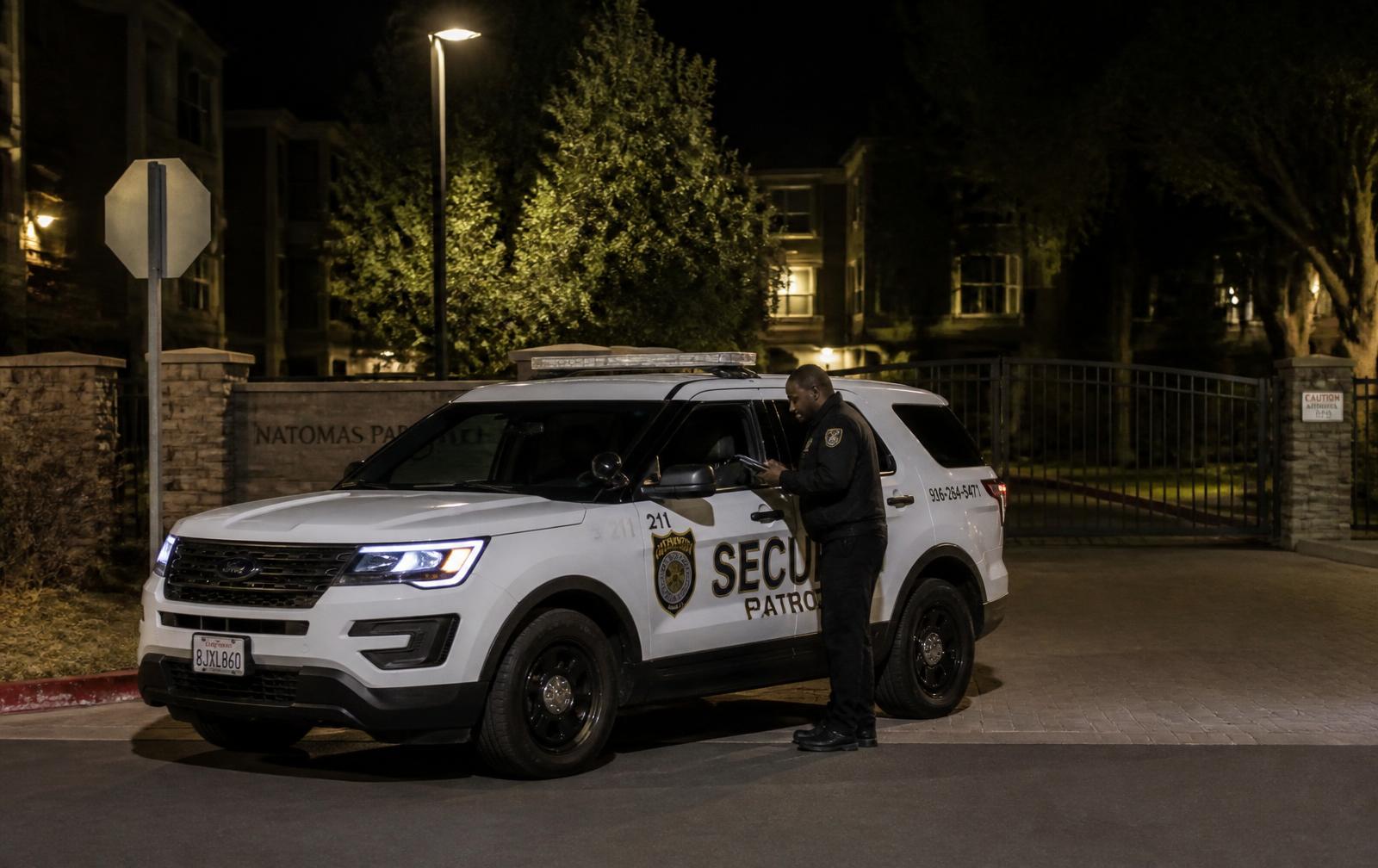
Natomas and North Sacramento. Large garden-style communities, big surface lots, long fence lines against greenbelts. Vehicle patrol with deliberate lot sweeps is the right shape.
Rancho Cordova. Industrial and tech employment mixed into residential pockets along the Folsom Boulevard corridor. Shift workers come and go at unusual hours, which means your patrol windows should not assume a normal night. Vehicle patrol services in Rancho Cordova covers the corridor specifics.
Citrus Heights. Older apartment blocks along the Sunrise and Greenback retail pads. Retail-adjacent foot traffic bleeds into residential parking. Private patrol in Citrus Heights goes deeper.
Roseville and Rocklin. Newer, higher-rent product with amenity-heavy sites. Your incidents skew toward amenity misuse, guest management, and package theft rather than violent crime — which means your post orders should weight the arrival window heavily.
Elk Grove. Newer tracts, wide streets, large parking fields. Vehicle burglary and juvenile amenity access are the recurring themes.
Folsom and El Dorado Hills. Gated communities where the gate itself is the assumed control and is therefore the actual weak point. Audit the gate before you buy hours.
Auburn and the foothill communities. Longer distances between properties, which makes the dispatch-distance math above absolutely decisive. Verify where the unit actually sits at 3 a.m.
West Sacramento. Distribution and port-adjacent, with riverfront multifamily. Mixed industrial and residential patrol patterns in the same route.
If your community is not on that list, the security guard near me directory covers the surrounding towns, and community security patrol explains the shared-neighborhood model for properties that want to split coverage with a neighbor.
What Good Looks Like After Six Months
I want to describe the outcome, because "better security" is not a measurable thing and you will be asked to measure it.
Six months into a well-structured contract at my larger property, this is what changed:
- After-hours calls to my personal cell dropped from roughly nine a week to two.
- Vehicle break-ins in the covered lot went from a cluster of incidents in a single quarter to isolated events, and both of the remaining ones had photographic documentation attached within the hour.
- Maintenance received a nightly deficiency list, which turned lighting repair from a complaint-driven process into a scheduled one.
- My renewal conversations changed. Residents cited "there's someone here at night" as a reason for staying, unprompted, on renewal surveys.
- My owner's insurance renewal questionnaire had an answer for the security question that was two paragraphs long instead of a checkbox.
None of that came from buying more hours. It came from buying the right hours, from a company close enough to actually deliver them, with duties specific enough that the officer knew what winning looked like on a quiet Tuesday.
Questions Managers Ask Me
How many patrol passes per night do I actually need? For a stable community under 200 units, three to five randomized passes is a defensible baseline. If you have an active pattern — repeated vehicle burglary, an encampment adjacent to your fence, a garage that keeps attracting loiterers — you need either six-plus passes or a dedicated post during the peak window. Passes deter opportunists. Only presence deters someone who has decided to be there.
Armed or unarmed? Unarmed, for the overwhelming majority of multifamily communities. Armed officers change the risk profile of your property in both directions, require additional permitting and qualification, and cost meaningfully more. I have used armed coverage exactly once, temporarily, following a specific threat, on the advice of both our attorney and the police. If a company pushes armed coverage on a routine apartment post without a documented reason, that is a sales motion.
Marked vehicle or plain? Marked. The vehicle is a large part of what you are buying. Residents see it, prospects see it on tour, and people evaluating your property for the wrong reasons see it too.
Can I share a patrol with the property next door? Yes, and it can work well if the properties are adjacent and the post orders are separate documents. It falls apart when both managers assume they have priority during a simultaneous incident. Decide that in advance, in writing.
Should the officer wear a body camera? Increasingly, yes, and the good companies now offer it. Ask about the retention policy and how you request footage. Understand that footage is discoverable, which cuts both ways — but in my experience it disciplines everyone's behavior, including the person filing a complaint.
What is the fastest a company can start? A local operator with bench depth can typically start a vehicle patrol within a few days and a dedicated post within one to two weeks, assuming post orders and insurance are handled. Anyone promising a dedicated post tomorrow is pulling an officer off another property, and next month they will pull yours.
How do I know if the passes really happened? Checkpoints and GPS. Insist on one or both. A report without independent verification is a narrative, not a record.
The Short Version
If you are the manager who typed "hire security guard company near me" at the end of a long week, here is the compressed version of everything above:
- 1.Verify the PPO license before you read the proposal.
- 2.Ask where the unit dispatches from, in cross streets, and do the distance math.
- 3.Map your incidents in space and time before you buy a single hour.
- 4.Buy the hours where the incidents are, not the hours that feel like security.
- 5.Write post orders with a what, a when, a proof, and an escalation for every duty.
- 6.Write down the duties officers must never perform.
- 7.Demand GPS or checkpoint verification and a report on your desk before the office opens.
- 8.Put a supervisor visit frequency in the contract.
- 9.Sign short, review at ninety days, and be willing to walk.
- 10.Treat the documentation as the durable asset. The patrol protects tonight; the record protects the property.
Summit Force Security Group is a locally owned, California-licensed private patrol operator (PPO #122730) dispatching across Sacramento, Rancho Cordova, Citrus Heights, Roseville, Elk Grove, Folsom, Auburn and the surrounding communities. If you want a walkthrough of your property at night — the only kind that tells you anything — request a quote or call and ask for a night site walk. Bring your incident map. We will build the post orders together.
Next step
Ready to put officers on post?
- security guard near meLicensed officers dispatched from Sacramento HQ with written post orders.
- marked patrol coverage near your propertyRandomized marked patrol passes with GPS-verified logs, same-week starts.
- patrol service pricing and coverage modelsCoverage models, flat hourly rates and what each patrol tier includes.
- vehicle patrol servicesMarked units running metro-wide checks, gate sweeps and alarm response.